
UVA researchers discover a way to identify pregnant women at risk of preeclampsia

University of Virginia School of Medicine researchers have discovered a way to identify pregnant women who are at risk of preeclampsia, a disorder characterized by high blood pressure and kidney dysfunction which can result in premature delivery, seizures and even death.
Complications from the condition are the second-leading cause of maternal death around the world.
The UVA scientists, led by Charles E. Chalfant, found they could predict the risk of preeclampsia by examining lipids, or fats, in women’s blood during pregnancy. The researchers say their finding, published in the Journal of Lipid Research, opens the door for simple blood tests to screen patients.
Researchers said the approach worked regardless of whether the women were on aspirin therapy, commonly prescribed to women thought to be at risk.

“Although alterations in some blood lipid levels have been known to occur in preeclampsia, they have not been endorsed as useful biomarkers,” said Chalfant, of the School of Medicine’s Division of Hematology and Oncology and the Department of Cell Biology. “The lipid ‘signature’ we described could significantly improve the ability to identify patients needing preventative treatment, like aspirin, or more careful monitoring for early signs of disease so that treatment could be initiated in a timely fashion.”
Preeclampsia affects up to 7% of all pregnancies. Symptoms typically appear after 20 weeks and include high blood pressure, kidney problems and abnormalities in blood clotting. The condition also is associated with dangerous complications such as liver dysfunction, seizures as well as a lifelong increased risk of heart disease for the mothers. An estimated 70,000 women around the world die from preeclampsia and its complications each year.
Doctors commonly recommend low-dose aspirin for at-risk women, but it works for only about half of patients and needs to be started within the first 16 weeks of pregnancy. That’s well before symptoms appear, which makes it more important to identify women at risk early on, and to better understand preeclampsia in general.
Chalfant and his team wanted to find biological indicators in the blood of pregnant women that could reveal their risk of developing preeclampsia. They examined blood plasma samples collected from 57 women in their first 24 weeks of pregnancy, then looked at whether the women went on to develop preeclampsia. The researchers found significant differences in “bioactive lipids” in the blood of women who developed preeclampsia and those who did not.
This, the researchers say, should allow doctors to judge women’s risk of developing preeclampsia by measuring lipid changes in their blood. The changes represent an important “lipid fingerprint,” the scientists say, that could be a useful tool for identifying, preventing and better treating the condition.
“The application of our comprehensive lipid profiling method to routine obstetrical care could significantly reduce maternal and neonatal morbidity and mortality,” Chalfant said. “It represents an example of how personalized medicine could address a significant public health challenge.”
This article was first published by UVA Today. Read the original.
Enjoy reading ASBMB Today?
Become a member to receive the print edition four times a year and the digital edition monthly.
Learn moreGet the latest from ASBMB Today
Enter your email address, and we’ll send you a weekly email with recent articles, interviews and more.
Latest in Science
Science highlights or most popular articles
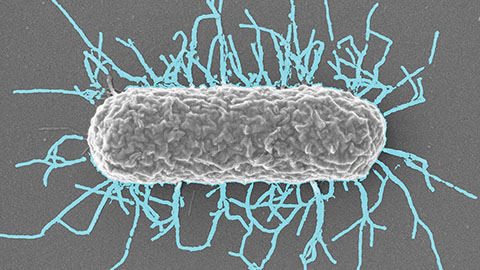
Differences in pili structure modulate bacterial behavior
Researchers demonstrate how small changes in the structure of hair-like protein appendages can affect the behavior of Acinetobacter bacteria.
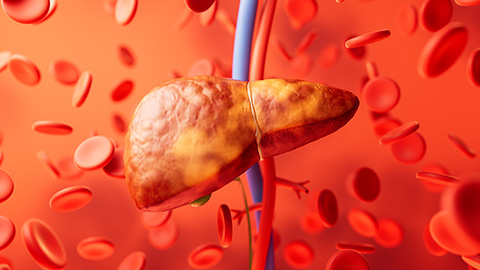
Cholesterol regulatory genes predict liver transplant outcomes
Researchers identify a link between cholesterol-regulating genes and liver transplant success, which could improve donor screening and patient outcomes.

Lipid signatures for a rare neurological disorder
Researchers find distinct lipid patterns linked to a rare autoimmune neurological disorder, offering hope for effective targeted therapies for patients.
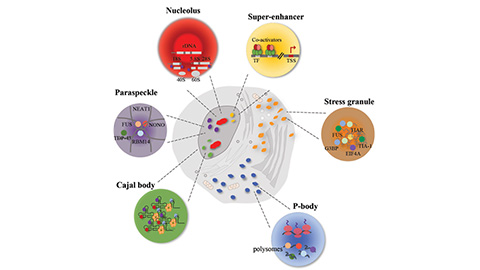
Disease-linked mutations disrupt protein phase behavior
Researchers find that pathogenic missense mutations are enriched threefold in phrase-separating intrinsically disordered regions of proteins.
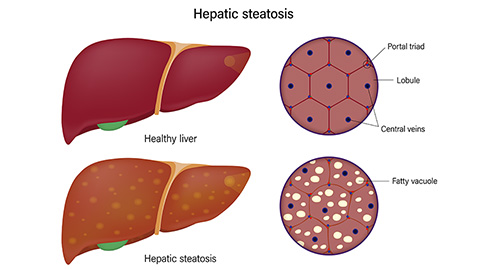
The dual role of asprosin in chronic fatty liver disease
Researchers uncover a hormone called asprosin that may serve as a potential biomarker for the diagnosis of chronic fatty liver disease and monitoring disease progression.
Novel inhibitor targets RAS-driven cancers
Researchers in Louisville identify a small-molecule drug that blocks RALGEF signaling downstream of mutant RAS. The compound suppresses tumor growth with low toxicity, revealing a new therapeutic strategy for RAS-driven malignancies.